Daily life is full of small motions you barely notice until clothing gets in the way: stepping into a car, crouching to pick something up, climbing stairs, sitting through long meetings, or walking a few blocks faster than expected. When pants are cut poorly, you compensate all day tugging at the waistband, adjusting the seat, avoiding certain movements, or feeling that low-level tightness that drains comfort. The right fit removes friction from your routine and makes your outfit feel like it’s working with you instead of against you.
Why movement reveals the truth about fit
A mirror check can be misleading because standing still hides stress points. Real comfort comes from how fabric behaves in motion and how seams respond when your body changes angles. That’s why a quick “mobility test” matters: sit, stand, lift a knee, take a long stride, and see whether anything pulls or shifts dramatically. Subtle problems pinching at the hip, tightness across the thigh, or bunching under a belt often show up only when you move, which is exactly when you need your clothing to cooperate.
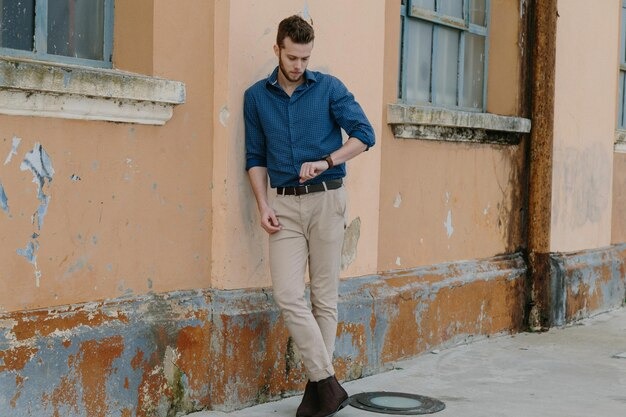
A practical checklist for all-day ease
Once you start evaluating pants through a mobility lens, everyday trouser fit tips become less about fashion and more about function an approach that also supports a smarter men’s pattern mixing guide, since cleaner drape and better movement make patterns look intentional instead of busy. Begin with the waistband: it should feel secure but not restrictive, staying in place without digging in when you sit. Next, check thigh and seat comfort while walking and climbing stairs; if you feel resistance, the cut is too narrow or the rise is mismatched. Finally, notice whether the fabric returns to shape after bending your knees, because comfort is not just initial softness it’s how the trousers behave after repeated motion.
Waist placement and rise affect your posture
Where trousers sit on your body influences how you stand and how naturally you move. A rise that’s too low can force the waistband to fight your hips, which often leads to constant pulling and a shortened stride. Too high can bunch under the stomach and restrict bending if the pattern doesn’t allow enough room. When rise and waist placement are right, your torso and legs look balanced and your posture improves without effort, because you’re not subtly bracing against discomfort.
The seat and crotch: the hidden hinge points
Most movement in trousers depends on a few key areas that act like hinges: the seat, the crotch curve, and the upper thigh. If the seat is too tight, you’ll feel strain when sitting, and the fabric may pull down in front; if it’s too loose, you’ll get sagging that creates friction and looks messy. A well-shaped crotch curve allows you to lift your leg without the waistband sliding, which is why the best everyday trousers fit tips focus on this zone even more than the hem or pockets.
Thigh room and knee shaping keep steps natural
Walking comfort is largely determined by how the trousers accommodate your thighs and knees. Too slim, and you’ll feel resistance with each stride; too wide, and the fabric can slap, twist, or catch. Good patterns include enough ease through the thigh and a smooth transition at the knee so the leg line stays clean while still allowing a full range of motion. If you regularly commute, travel, or spend time on your feet, this is the area where a “looks fine” fit becomes a genuinely wearable one.
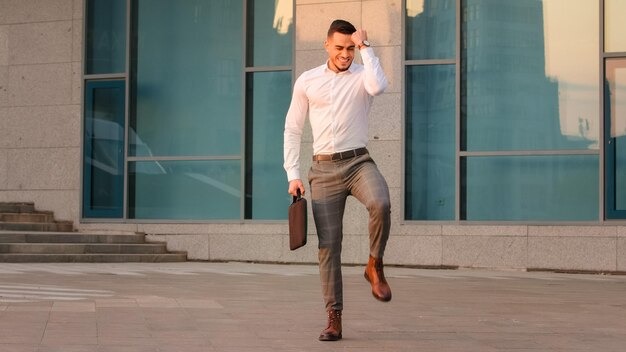
Stretch is helpful; structure is essential
Comfort isn’t only about adding stretch; it’s about choosing fabric that supports movement without losing shape. A small amount of elastane can improve flexibility, but overly stretchy cloth can bag out at the knees and seat, creating discomfort later in the day. Materials with some structure, like sturdy cotton twill, wool blends, or high-quality performance weaves, tend to hold a cleaner line while still feeling easy. This balance also helps your trousers fit into timeless bottomwear styles, because the shape stays consistent and doesn’t collapse after repeated wear.
Length and hem width influence stride and feel
When trousers are too long, extra fabric stacks and rubs against shoes, subtly changing how you walk and increasing irritation over a long day. When they’re too short without intention, you may feel exposed or find the hem riding up when you sit. Hem width matters too: an overly narrow opening can cling to the ankle and restrict movement, while an overly wide one can flap and feel bulky. A controlled length and sensible hem create smoother motion, reduce friction, and make footwear choices easier.
Small adjustments that create big comfort gains
Many discomfort issues are fixable without replacing your whole wardrobe. Hemming to the right length, slightly tapering the lower leg, or adjusting the waist can turn an almost-right pair into a favorite. The key is knowing what tailoring can and cannot solve: minor refinement is great, but fundamental problems like a badly matched rise or insufficient thigh room usually require a different cut. When you prioritize proper pants fit in your evaluation, you spend less time compromising and more time enjoying clothes that feel natural from morning to night.
Conclusion
Better fit isn’t a luxury detail it’s the difference between simply wearing trousers and living comfortably in them. When your pants support your stride, sit smoothly, and stay stable without constant adjustment, you gain energy and confidence throughout the day. A fit that respects movement also keeps outfits looking cleaner, because fabric drapes the way it was intended to. Ultimately, the best daily comfort comes from clothing that disappears in the background, letting you focus on everything else you need to do.
 Site Title
Leave a comment