Getting dressed well isn’t only about owning the right items; it’s about combining them so they look intentional. Many men avoid patterns or textured pieces because they fear clashing, while others pile on too many elements and end up looking busy. The sweet spot is balance: a clear color direction, a controlled mix of prints, and textures that add depth without competing. Once you learn a few simple rules, you can build outfits that feel creative, modern, and easy to repeat.
Harmony beats “matching”
The goal isn’t to match everything perfectly it’s to create harmony. Harmony means your outfit has one main idea and supporting details. If the shirt is bold, the pants should be quiet. If the jacket has texture, keep the base clean. When you approach dressing like a composition, you’ll stop second-guessing and start creating combinations that look effortless in any setting, from casual weekends to smart evenings out.
Start with a neutral anchor and build outward
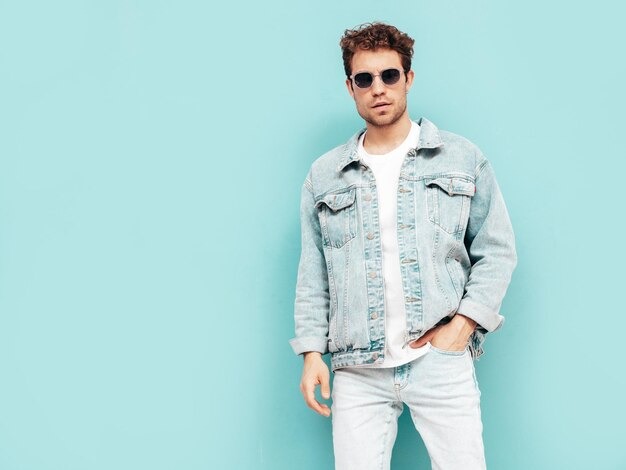
A neutral anchor is the piece that grounds your look so everything else has a place to land. Most of the time, that anchor is your pants, because they take up a large visual area and set the tone for the whole outfit. Neutrals like navy, charcoal, stone, olive, and black are dependable because they accept many colors and patterns above them.
If you’re experimenting with bolder shirts or textured jackets, choose a calm bottom in a classic shade. This reduces visual noise and gives you room to play with the top half. You can still look current by choosing a clean silhouette in the anchor piece rather than relying on flashy details.
Understand the “one statement” rule
The easiest way to avoid clashing is to pick one statement element per outfit. A statement can be a patterned shirt, a textured jacket, a bold color, or standout footwear. Everything else should support that choice.
For example, if you wear a striped knit, keep the pants solid and the jacket simple. If you wear a textured tweed layer, choose a plain shirt underneath. This approach makes outfits feel stylish without looking over-styled, and it also helps you repeat pieces often without looking like you wear the same thing every day.
Mix patterns by changing scale, not by adding chaos
Pattern mixing works when the patterns differ in scale. A small check can pair with a larger stripe because the eye can separate them. Problems happen when patterns are similar in size or intensity, making them compete.
A safe pattern progression is: one small pattern, one medium pattern, and solids elsewhere. Another safe move is pairing a patterned shirt with a textured solid layer texture adds interest without adding another print. If you’re new to patterns, start with classics that read as subtle from a distance: pinstripes, micro-checks, and understated herringbone.
Use color families instead of random shades
Color harmony is easier when you stay within a family. Earth tones (olive, tan, brown, cream) naturally blend together. Cool tones (navy, gray, white, black) also combine easily. You can mix families, but do it with intention: add one accent piece that bridges both sides, like a navy jacket with tan trousers, or an olive overshirt with gray denim.
A simple way to control color is the “two plus one” method: two neutrals and one accent. The accent can be small, like a scarf, socks, or a cap, or larger, like a knit. This keeps the outfit interesting while still looking grown-up and cohesive.
Texture is the shortcut to looking expensive
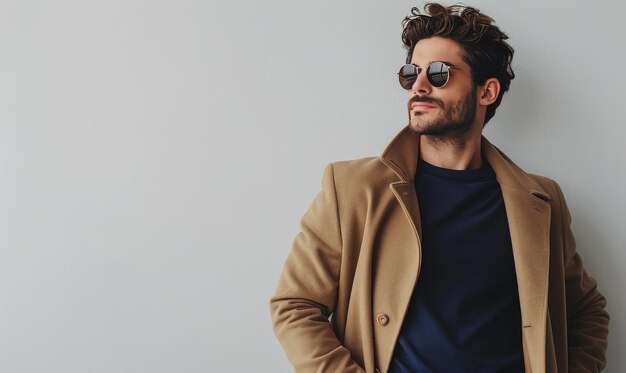
Texture makes simple outfits feel premium because it adds depth. Think denim, corduroy, wool, suede, chunky knits, and brushed cotton. When you use texture well, you don’t need loud colors or heavy patterns to look stylish.
A great tactic is pairing smooth with rough: a crisp cotton shirt with a wool jacket, or a fine-gauge sweater with denim. Even if everything is neutral, this contrast creates visual interest. In colder months, texture also looks seasonally appropriate, giving your outfit a natural “right for the moment” feel.
Balance your silhouette from the ground up
Balance isn’t only color and pattern it’s also proportion. If your top is oversized or heavily layered, your pants should have enough structure to keep the shape intentional. If your top is slim and sharp, extremely wide pants can look disconnected unless the styling is clearly deliberate.
This is where modern bottom wear styles can be useful. A relaxed straight leg or a gentle taper can modernize your look while still supporting a wide range of tops. When the pants create a clean line, pattern and texture above them become easier to manage because the outfit has a stable foundation.
Build outfits around reliable foundations
When in doubt, return to men’s wardrobe basics. A plain tee, a solid oxford shirt, dark denim, a neutral chino, and a simple jacket create a framework you can build on. These basics act like “blank canvases” for patterned layers and textured accessories.
The trick is not buying basics that feel lifeless, but choosing ones with good fit and decent fabric weight. A well-fitting neutral base makes patterned or textured pieces look intentional rather than chaotic.
Use finishing touches to tie everything together
Accessories can either complete the look or clutter it. Choose one or two that support your outfit’s color story and formality. A leather belt that matches your shoes, a watch with a simple face, or a clean bag can add polish without distraction.
This is where men’s top accessories matter most: pick items that repeat a color already present in your outfit. If your jacket is brown-toned, a watch strap or belt in a similar shade makes the look feel coordinated. If your outfit is mostly cool-toned, silver hardware often blends better than gold.
Practical outfit formulas you can repeat
If you want reliable templates, use these formulas as starting points:
- Pattern up top, texture on the outside: patterned shirt + textured jacket + solid pants
- Tonal base with one standout: neutral monochrome base + one accent knit or scarf
- Texture sandwich: textured top layer + smooth shirt + textured pants, keeping colors quiet
- Casual balanced mix: graphic-free tee + overshirt + clean jeans, with one accessory that repeats a color
To keep it modern without feeling trendy, you can integrate modern bottom wear styles by choosing updated cuts in neutral shades, then rotating patterned shirts or textured layers above.
Conclusion
Balancing patterns, colors, and textures is mostly about restraint. Anchor your outfit with a neutral base, choose one statement element, and let scale and texture do the heavy lifting. When your silhouette is balanced and your color story is consistent, even bold pieces look easy to wear. Over time, you’ll develop a personal formula that feels expressive yet polished without ever looking like you tried too hard.
 Site Title
Leave a comment